
How to Improve Direct Hotel Bookings: 7 Strategies That Work
Direct bookings are the most profitable channel for any hotel. No commissions, no intermediaries, higher margins. These are the 7 strategies that actually move the needle.
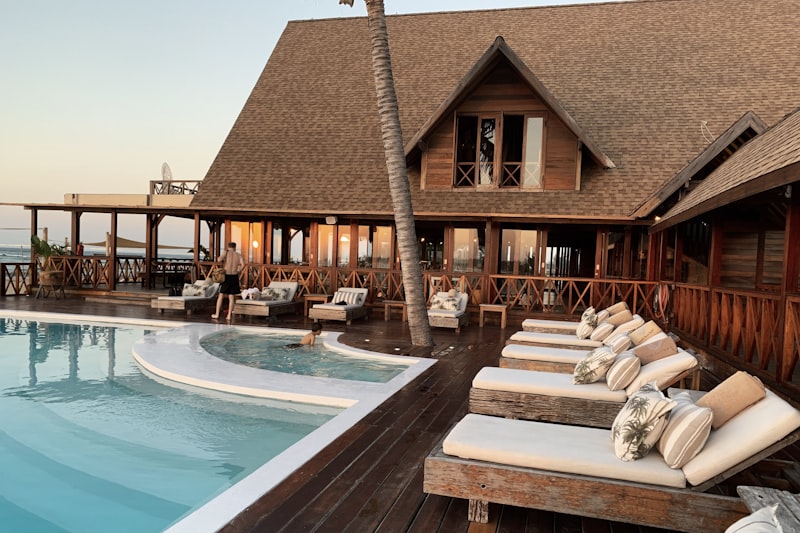
Direct bookings are the most profitable channel a hotel has. No OTA commission, no intermediary, higher margin — and a direct relationship with the guest from the very first moment.
The problem is that most hotels know this but don't know exactly what to change to actually increase direct bookings. There's a lot of talk about "strengthening the direct channel" but very little about the specific actions that make it happen.
Here are the 7 strategies with real, measurable impact.
1. Eliminate friction at the moment of decision
The guest is already on your website. The interest is already there. The only thing that can lose them at that point is an unanswered question.
If the booking process raises questions — and it always does — and there's nobody to answer them in seconds, the guest takes the path of least resistance. That path leads to an OTA.
The most direct lever for improving direct conversion is having someone, or something, available to resolve that question at the exact moment it appears.
2. Guarantee your best rate on your website
If the guest can find the same price or better on Booking.com, they have no incentive to book directly. Rate parity isn't enough — your direct website should offer the best available rate, or at least exclusive benefits like included breakfast, flexible cancellation, or early check-in.
3. Optimize your booking engine for mobile
Over 60% of hotel website traffic comes from mobile devices. If the booking engine doesn't work perfectly on a small screen — slow loading, long forms, confusing navigation — you're losing bookings silently.
Do the booking process yourself from your phone. If it isn't smooth in under three minutes, that's where the problem is.
4. Respond in the guest's language
A German or Japanese guest who doesn't fully understand your hotel's conditions won't risk their money on a website that doesn't inspire confidence. They'll book where they understand everything.
Responding in the guest's language automatically, without additional cost, removes a barrier that many hotels don't even know they have.
5. Capture traffic outside business hours
23% of digital interactions in hospitality happen between 10 PM and 8 AM. If your website has no support during those hours, you're losing almost a quarter of your direct booking potential. Guests don't wait for reception to open — they look elsewhere.
6. Measure where you're losing guests
Before investing in more traffic, understand where the guests you already have are leaving. If Google Analytics shows that abandonment concentrates on the rates page or the booking engine, the problem is conversion, not visibility.
Doubling conversion with the same traffic is cheaper and faster than doubling traffic with the same conversion.
7. Make booking with you easier than booking on an OTA
This is the summary of everything above. Guests don't have brand loyalty by default — they have inertia toward whatever is most convenient. OTAs have invested billions making it easy to book through them.
Your advantage isn't price or design. It's information: nobody knows your hotel better than you. If that information reaches the guest at the right moment, in their language, with an immediate answer to their question, the direct booking is yours to lose.
→ [Complete guide: what is a hotel chatbot and how to choose the right one](/en/blog/complete-guide-hotel-chatbot-what-it-is-and-how-to-choose)